From Chaos to Composition: My Creative Process Explained
Explore the abstract painting process from chaos to composition. Discover how emotion, color, and layering shape contemporary abstract art.
Aldo Rinascente
3/3/20263 min read
From Chaos to Composition: My Creative Process Explained
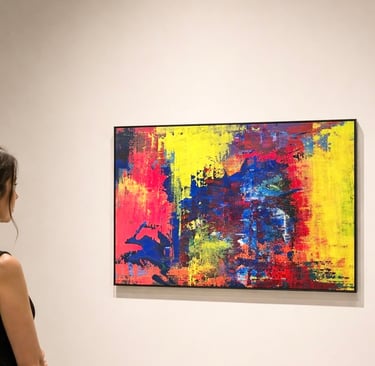
Abstract painting is often misunderstood as random or impulsive. In reality, the journey from chaos to composition is intentional, layered, and deeply personal. As a contemporary abstract artist, my creative process is a balance between instinct and structure emotion and refinement freedom and discipline.
In this article, I take you inside my studio to explain how an abstract painting evolves from its earliest expressive marks into a finished original artwork.
The Beginning: Embracing Chaos in Abstract Painting
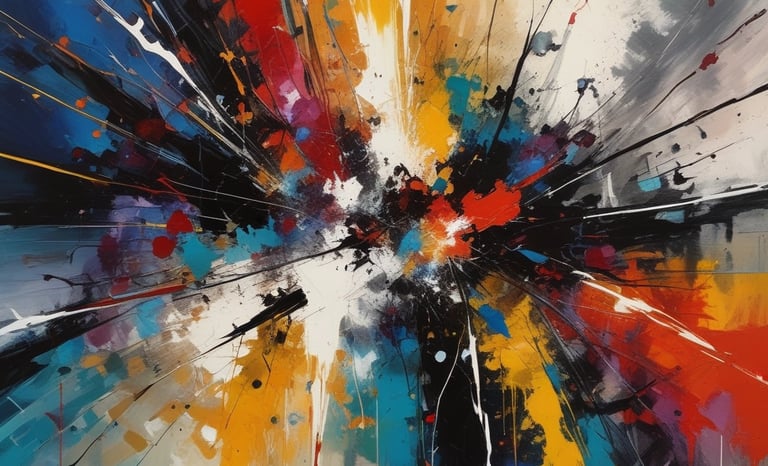
Every painting begins without a fixed outcome. I rarely start with a sketch or rigid plan. Instead, I begin with movement allowing color, texture, and gesture to lead.
This early stage of the abstract painting process is about energy. I may:
Pour diluted paint across the canvas
Create spontaneous brush strokes
Introduce contrasting tones
Build immediate tension through bold color
At this stage, the canvas appears chaotic. But chaos is essential. It removes expectation and opens space for authenticity. It allows emotion to surface before logic interferes.
Many collectors are surprised to learn that contemporary abstract art often begins in this unpredictable way. The lack of representation is not an absence of intention it is the presence of freedom.
Developing Structure Through Layering
Once the initial energy is established, the process shifts. This is where composition begins to emerge.
Layering plays a crucial role in creating depth and complexity in abstract art. I build surfaces gradually, sometimes allowing previous layers to partially show through. Transparency and texture create visual dialogue within the painting.
Key elements I focus on include:
Balance between light and dark
Spatial tension
Rhythm through repetition of form
Controlled negative space
This stage requires patience. Unlike representational painting, where the subject guides decisions, abstract work demands intuitive judgment. Every mark must feel necessary.
The transformation from chaos to composition happens slowly through editing, refining, and sometimes removing elements entirely.
The Role of Color in My Creative Process
Color is never accidental. Even when it appears spontaneous, it is chosen to evoke emotion and psychological response.
In contemporary abstract painting, color acts as both subject and narrative. A deep blue may suggest introspection. A burst of ochre may introduce warmth and movement. Muted tones can create calm, while sharp contrast can generate tension.
Often, I limit my palette intentionally. Restriction fosters clarity. When fewer colors compete, composition strengthens.
Collectors frequently connect to a piece through color before they understand why. That emotional reaction is part of the power of abstract art.
Knowing When a Painting Is Finished
One of the most challenging aspects of the abstract painting process is knowing when to stop.
Unlike figurative work, there is no obvious endpoint. There is no face completed or landscape resolved. Instead, completion is sensed rather than seen.
I step back frequently. I observe the painting from distance. I ask:
Does the composition feel balanced?
Is there enough visual movement?
Does it evoke the intended emotional tone?
Is anything unnecessary?
A painting is finished when it holds its own presence when it no longer asks for more.
Why Process Matters in Contemporary Abstract Art
For many viewers, understanding an artist’s creative process deepens appreciation. Abstract art is not about randomness. It is about exploration, risk, and refinement.
The visible layers, the subtle textures, and the traces of earlier decisions become part of the artwork’s story. The painting is not just an image it is a record of thought, emotion, and movement.
This is why original abstract artwork carries a presence that prints cannot replicate. The surface tells the story of its making.
From Studio to Viewer: The Final Transformation
The final stage of the creative process happens when the artwork leaves the studio and enters the world.
Abstract art invites interpretation. Each viewer brings their own perspective, experiences, and emotions. What began as my exploration becomes your personal journey.
That transformation from private process to public meaning is what makes contemporary abstract art powerful.
Final Thoughts
From chaos to composition, the creative process is a dialogue between intuition and intention. Abstract painting embraces unpredictability while striving for harmony. It is both expressive and deliberate.
To understand abstract art is not to search for objects or symbols but to engage with emotion, structure, and movement.
In the end, the process itself becomes part of the composition.
Aldo Rinascente Art
Just Feel It
Contact
Newsletter
+356 99491394
© 2026. All rights reserved.