
How to Choose Abstract Art for a Modern Home
Learn how to choose abstract art for a modern home. Discover tips on scale, color balance, texture, and placement to elevate your interior design.
3/2/20262 min read
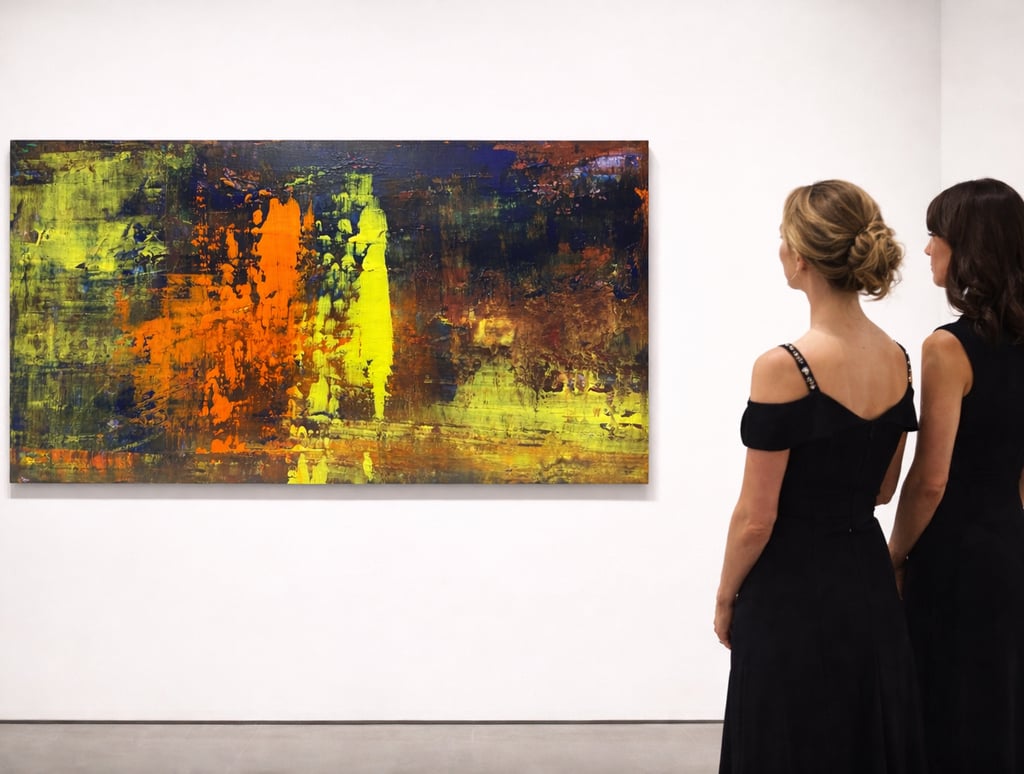
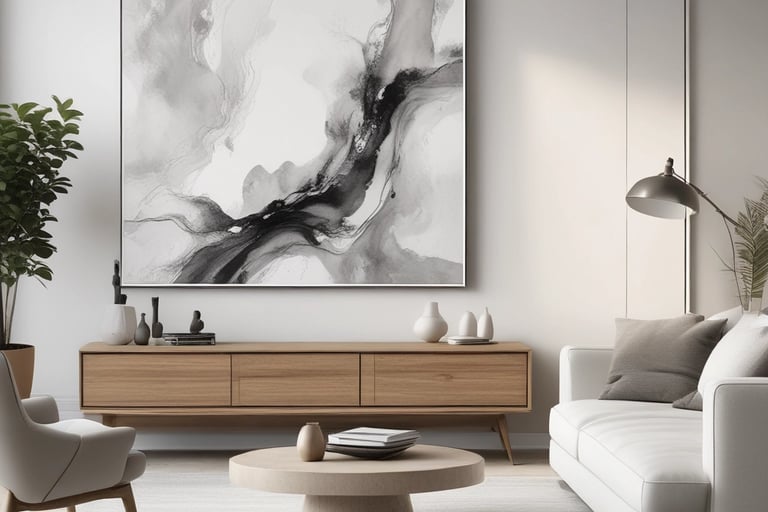
Abstract art has become a defining element in modern interior design. Unlike traditional representational artwork, abstract paintings introduce atmosphere, emotion, and movement into a space without dictating a specific narrative. Choosing the right abstract art for a modern home requires more than simply matching colors it’s about balance, scale, and intention.
In this guide, we explore how to select abstract artwork that enhances your living space while maintaining harmony with contemporary design principles.
1. Consider Scale and Proportion
One of the most common mistakes homeowners make is choosing artwork that is too small for their wall. In modern interiors especially open-plan living rooms large-scale abstract paintings create impact and sophistication.
A single oversized abstract painting above a sofa or fireplace can anchor the entire room. It establishes a focal point and prevents the space from feeling fragmented.
When selecting artwork:
The painting should span at least two-thirds of the furniture width beneath it.
High ceilings can support vertical compositions.
Wide walls benefit from panoramic or horizontal pieces.
Large contemporary abstract art works particularly well in minimalist spaces because it adds depth without clutter.
2. Align With the Room’s Emotional Tone
Abstract art influences mood. Before selecting a piece, consider the atmosphere you want to create.
Soft blues and neutrals evoke calm and serenity.
Earth tones create warmth and grounding.
Bold contrasts add energy and drama.
Modern homes often feature clean lines and neutral palettes. A carefully chosen abstract painting can introduce emotional contrast while maintaining elegance.
Rather than matching the sofa or curtains exactly, choose a painting that complements the overall tone of the room.
3. Balance Color Without Overmatching
While it’s tempting to pick art that mirrors your interior palette, the most sophisticated spaces use contrast intelligently.
If your living room features neutral furniture, a painting with depth and layered tones can add dimension. If your space already contains bold elements, a more restrained abstract composition may create visual balance.
The goal is harmony not duplication.
4. Think About Texture and Surface Detail
Modern homes often emphasize smooth surfaces: glass, metal, polished wood. Introducing textured abstract artwork adds tactile contrast.
Layered acrylic, visible brush strokes, or subtle mixed media elements create richness that flat decor cannot achieve.
Original abstract paintings, in particular, provide depth that prints cannot replicate.
5. Placement and Lighting Matter
Lighting transforms how abstract art is experienced.
Natural light reveals color variation and layered detail.
Spotlighting enhances texture and dimensionality.
When installing artwork:
Center it at eye level.
Leave breathing space around the frame.
Avoid overcrowding surrounding decor.
In modern design, negative space enhances impact.
6. Choose Art That Resonates Personally
Perhaps the most important rule: choose abstract art that speaks to you.
Because abstract art invites interpretation, its meaning evolves with the viewer. A painting that creates emotional response curiosity, calm, excitement will continue to enrich your home long after trends shift.
Art in a modern home should not merely decorate it should elevate the space.
Final Thoughts
Choosing abstract art for a modern home is about scale, emotional alignment, and thoughtful integration. The right piece transforms a room from functional to expressive.
In contemporary interiors, abstract art does not compete with design it completes it.
Aldo Rinascente Art
Just Feel It
Contact
Newsletter
+356 99491394
© 2026. All rights reserved.