Understanding the Process of Abstract Painting
Discover the creative journey behind abstract painting — from the first spontaneous brushstroke to the final balanced composition. This article explores the techniques, inspirations, and emotional depth that shape contemporary abstract art. Learn how artists use color, texture, layering, and movement to transform raw expression into meaningful visual experiences. Whether you are an art collector, enthusiast, or curious viewer, gain insight into the abstract painting process and the intention behind each expressive mark.
Aldo Rinascente
2/18/20262 min read
Introduction to Abstract Painting
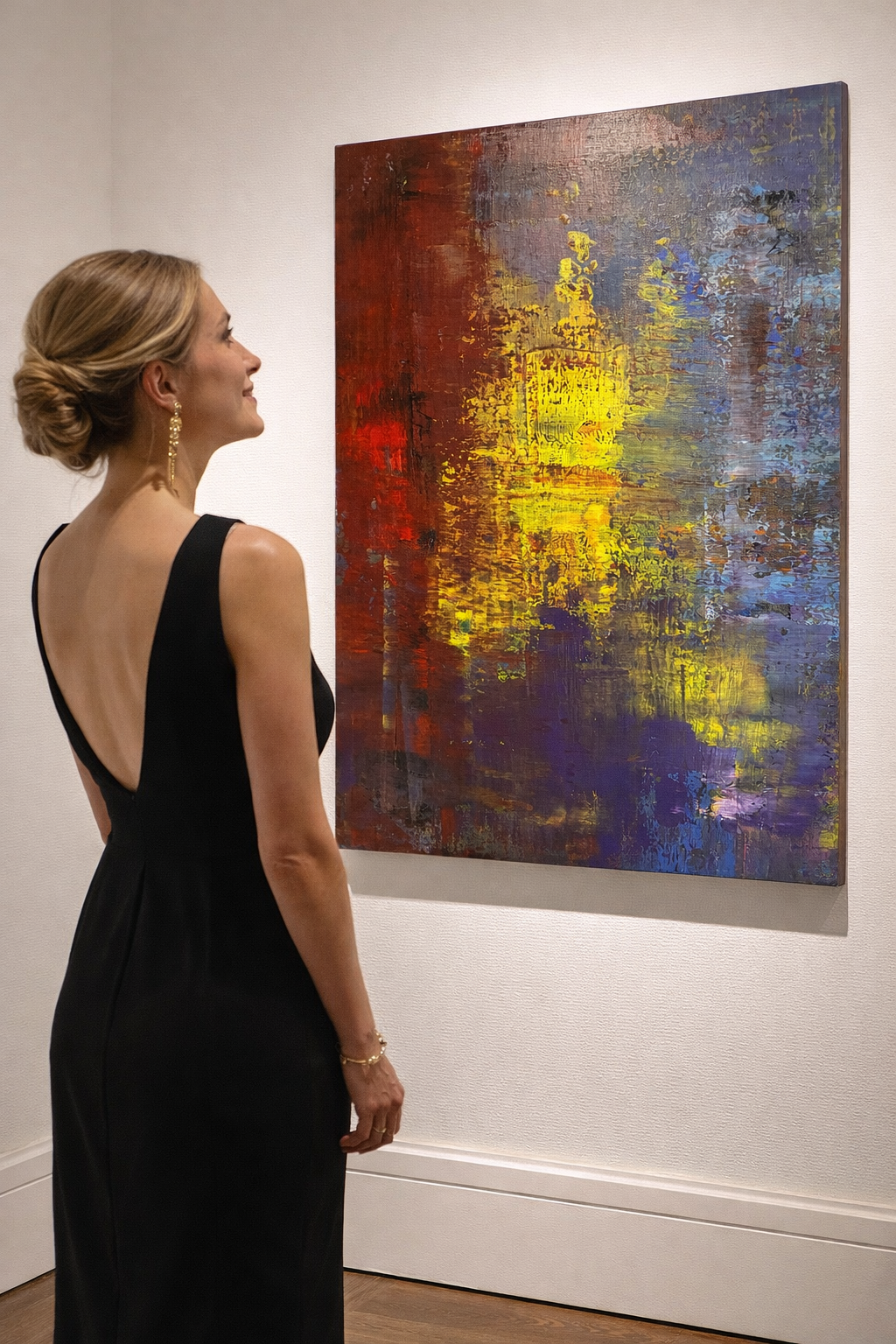
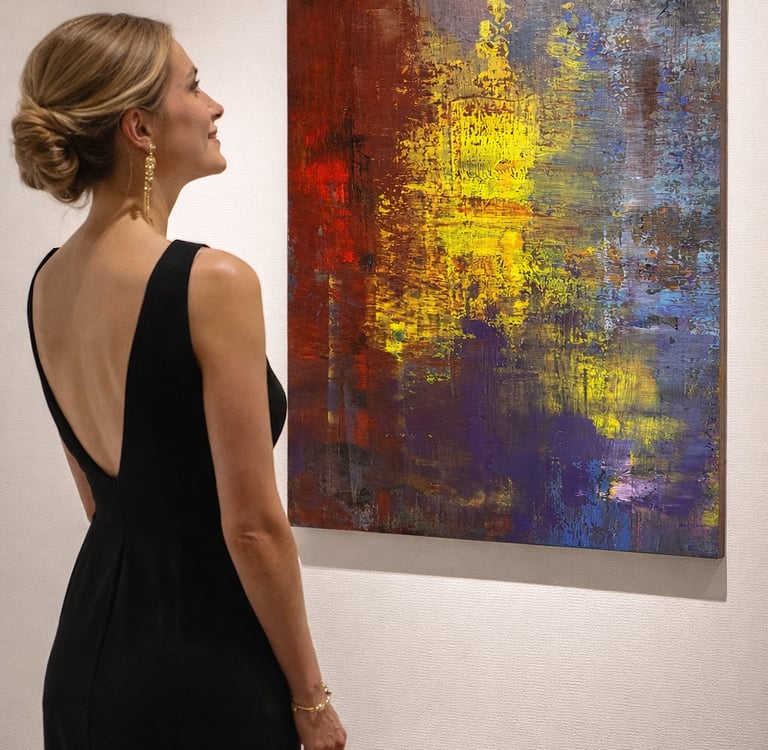
Abstract painting, as a form of artistic expression, transcends traditional representation in art. It invites the viewer to explore emotions and ideas through the manipulation of color, form, and lines, creating works that may not necessarily resemble anything recognizable. This blog post delves into the process of abstract painting, highlighting the techniques, inspirations, and ultimate goals artists pursue when creating their masterpieces.
The Techniques Involved in Abstract Painting
The process of abstract painting is unique to each artist, yet several techniques commonly appear in works within this genre. Many artists begin by choosing a color palette that resonates with them or conveys a particular emotion. From there, they may employ various methods such as pouring, dripping, or splattering paint onto the canvas, creating dynamic textures and patterns. Additionally, layering is a prevalent technique, allowing artists to build depth and complexity in their work.
Artists may also experiment with mixed media, incorporating materials such as paper, fabric, or found objects into their paintings. This further emphasizes the freedom inherent in the process, as artists are not beholden to any one medium. Abstract painting ultimately celebrates innovation, and these various techniques reflect that spirit.
Finding Inspiration for Abstract Art
Inspiration for abstract painting can stem from numerous sources, including nature, emotions, or even the act of painting itself. Some artists draw from their personal experiences, infusing their work with emotional depth, while others look to the world around them, interpreting landscapes and objects in an abstract way. The repetition of certain colors or shapes often serves as a meditative practice for many artists, as they explore their thoughts and feelings on the canvas.
Furthermore, the process encourages spontaneity and experimentation. Ideas can come and go, leading artists to embrace a flexible mindset. Whether through a color explosion that evokes joy or a muted palette that reflects melancholy, abstract painting allows for myriad interpretations that transcend literal meaning.
The Outcome and Impact of Abstract Painting
The ultimate goal of abstract painting is not necessarily to create a beautiful composition but rather to engage viewers and provoke thought or emotion. Abstract art serves as a catalyst for conversation, encouraging interpretations that vary from one individual to another. The process of viewing art becomes a personal journey, where one's subjective experience is just as valid as the artist's intent.
In conclusion, the process of abstract painting encapsulates a vast range of techniques and inspirations, ultimately seeking to resonate with both the creator and the audience. Artists embrace freedom and exploration, resulting in works that inspire, challenge, and provoke thought. Embracing abstract art means welcoming the unpredictable, allowing for a deeper understanding of creativity in its most authentic form.
Aldo Rinascente Art
Just Feel It
Contact
Newsletter
+356 99491394
© 2026. All rights reserved.